

Nutrition for Polycystic Ovary Syndrome (PCOS)
Polycystic ovary syndrome (PCOS) can affect menstrual cycles, hormone levels and metabolic health. In 2026, the international guideline began using polyendocrine metabolic ovarian syndrome (PMOS) for the same condition. Nutrition, physical activity and regular follow-up are all part of the care plan.
Is there one diet for PCOS?
The international guideline says there is no evidence that any one diet is better for everyone with PCOS. A sustainable plan takes your eating habits, budget, health and goals into account. Steps to support metabolic health are worthwhile even if your weight does not change.
What can you consider when planning meals?
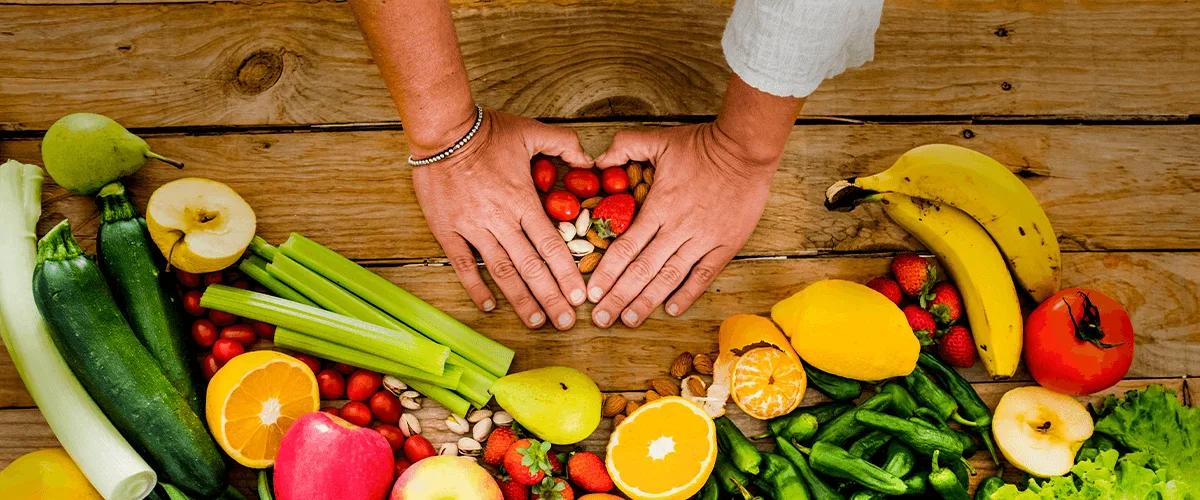
- Include sources of fibre such as vegetables, whole fruit, legumes and whole grains.
- Choose protein sources that suit you, such as legumes, eggs, yoghurt or fish.
- Add suitable amounts of unsaturated fats from foods such as olive oil and unsalted nuts.
- Try choosing water instead of sugary drinks and planning your shopping ahead of time.
The number and size of meals and the need for snacks vary from person to person. Blood glucose results, medication, other health conditions and plans for pregnancy can affect your nutrition goals. For irregular periods or other concerns, speak with Obstetrics and Gynaecology. For help planning everyday meals, contact the Nutrition and Dietetics team.